
Drone K101 Max con doppia fotocamera, foto fino a 4K e FPV
Drone K101 Max con doppia fotocamera, foto fino a 4K e FPV
💰 Risparmi: $111.71 (41%)
🚚 Spedizione gratuita in tutto il mondo – nessun minimo d’ordine!
Aiutaci a proteggere gli animali, i luoghi e le persone più vulnerabili del mondo
Impossibile caricare la disponibilità di ritiro
Drone K101 Max pieghevole con foto fino a 4K, rilevamento degli ostacoli a tre direzioni e supporto EIS
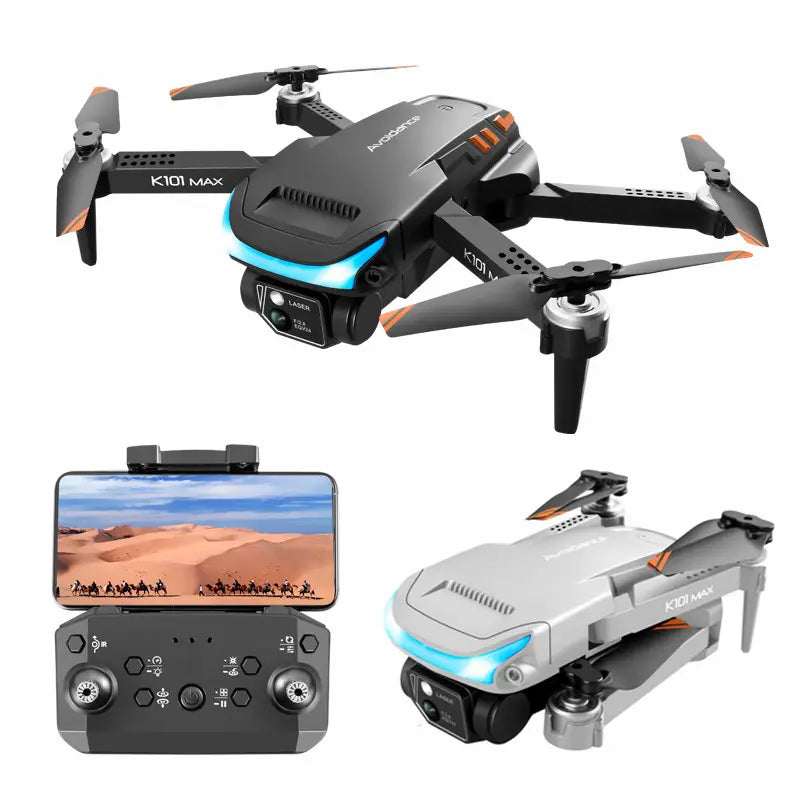
Il K101 Max è un drone pieghevole compatto pensato per chi crea contenuti in modo informale e cerca foto di tutti i giorni più nitide, semplici video a 1080p e un’inquadratura più facile, senza passare a un drone GPS con fotocamera più pesante. Il suo punto di forza è la dotazione pensata per foto e video quotidiani: foto fino a 4K, registrazione video fino a 1080p, supporto EIS e doppia fotocamera regolabile elettricamente a 90° in un corpo da circa 100 g.
Il rilevamento a infrarossi su tre direzioni, il volo stazionario con flusso ottico, i controlli con un solo comando e le funzioni tramite app aiutano nella pratica dei principianti. I risultati migliori restano però legati a buona luce, aria più calma, spazi aperti e volo sempre a vista.
Punti principali
- Foto fino a 4K in un corpo pieghevole leggero: Il K101 Max combina foto fino a 4K, video registrati fino a 1080p, supporto EIS e doppia fotocamera regolabile elettricamente a 90° in un drone compatto da circa 100 g con batteria.
- Acquisizione più semplice per contenuti quotidiani: La fotocamera regolabile, il supporto EIS, il volo stazionario con flusso ottico e l’anteprima in tempo reale tramite app aiutano a inquadrare e condividere più facilmente foto di viaggio, video di famiglia e contenuti social semplici.
- Rilevamento su tre direzioni con limiti chiari: Il rilevamento a infrarossi davanti, a sinistra e a destra può aiutare durante voli più lenti in buona luce; questo modello non include rilevamento posteriore, superiore, inferiore né protezione omnidirezionale dalle collisioni.
- Pratica più accessibile per principianti: Controlli con un solo comando, modalità Headless, volo su traiettoria e ritorno senza GPS supportano brevi voli di pratica in aree aperte e con meno interferenze.
Caratteristiche principali
- Doppia fotocamera con regolazione elettrica a 90°: Il K101 Max supporta foto fino a 4K e video registrati fino a 1080p, con fotocamera regolabile elettricamente a 90° per un’inquadratura più flessibile. L’app supporta anche lo zoom digitale fino a 50x, anche se la qualità dell’immagine è migliore a livelli di ingrandimento più bassi.
- Supporto EIS per video quotidiani più stabili: La stabilizzazione elettronica dell’immagine aiuta a ridurre l’effetto visibile delle piccole vibrazioni durante la registrazione quotidiana a 1080p. È utile per video informali, momenti di viaggio e condivisione social, ma non va confusa con un sistema gimbal meccanico di fascia alta.
- Rilevamento degli ostacoli a tre direzioni con limiti chiari: Il rilevamento a infrarossi davanti, a sinistra e a destra può aiutare a individuare gli ostacoli durante il volo a bassa velocità in buona luce. Non è attivo sul retro, sulla parte superiore o su quella inferiore e va considerato come un aiuto al volo, non come prevenzione completa delle collisioni.
- Flusso ottico, mantenimento dell’altitudine e controllo per principianti: Il posizionamento con flusso ottico e il mantenimento dell’altitudine aiutano a rendere il volo stazionario più gestibile in condizioni idonee. Decollo, atterraggio e arresto di emergenza con un solo comando semplificano il controllo quotidiano per i nuovi piloti.
- Ritorno senza GPS e controllo assistito dall’app: La funzione di ritorno usa orientamento e flusso ottico invece del GPS, quindi funziona meglio come assistenza a breve distanza in aree aperte e con meno interferenze. Radiocomando, app e controllo vocale offrono più modi per pilotare, mentre acquisizione tramite gesto, acquisizione con rilevamento del volto, sensore di gravità, volo su traiettoria, filtri e musica ampliano l’esperienza di volo informale.
FAQ
Che qualità d’immagine posso aspettarmi da questo modello?
Il K101 Max è pensato per foto fino a 4K, video quotidiani registrati fino a 1080p e anteprima in tempo reale tramite app durante il volo. È più adatto alla condivisione quotidiana, ai video di viaggio e alla pratica di volo che a produzioni video professionali.
In che modo l’EIS aiuta durante la registrazione?
Il supporto EIS aiuta a ridurre l’effetto visibile delle piccole vibrazioni durante la registrazione informale a 1080p. Può rendere i video semplici più stabili, ma non deve essere considerato equivalente alla stabilizzazione di un gimbal meccanico di fascia alta.
Come funziona il rilevamento degli ostacoli nei voli reali?
Il K101 Max usa il rilevamento a infrarossi davanti, a sinistra e a destra per aiutare a individuare gli ostacoli durante il volo a bassa velocità in buona luce. Non è attivo sul retro, sulla parte superiore o su quella inferiore e va considerato come aiuto al volo, non come garanzia di evitare collisioni.
Cosa devo aspettarmi dalla funzione di ritorno?
Questo modello usa una funzione di ritorno senza GPS basata su orientamento e flusso ottico. È meglio considerarla come assistenza a breve distanza in aree aperte e con meno interferenze, non come un sistema di ritorno di precisione.
Quali distanze posso aspettarmi nell’uso quotidiano?
La distanza di controllo arriva fino a circa 200 metri in aree aperte e con meno interferenze. La trasmissione FPV funziona in genere entro circa 80–150 metri, mentre condizioni aperte ideali possono estenderla fino a circa 200 metri; anche la compatibilità del telefono può influire sui risultati.
Quanto dura il volo nell’uso reale?
Il K101 Max può funzionare fino a 16–20 minuti in condizioni ideali e calme. Nell’uso più tipico, circa 10–14 minuti è un’aspettativa più realistica, soprattutto durante registrazione e volo all’aperto.
Cosa posso fare con l’app?
L’app supporta controllo vocale, sensore di gravità, volo su traiettoria, filtri, musica, acquisizione tramite gesto, acquisizione con rilevamento del volto e anteprima in tempo reale. I video vengono salvati sul dispositivo mobile tramite l’app.
Da sapere prima dell’acquisto
Dove rende meglio questo drone
Il K101 Max dà il meglio come drone pieghevole leggero per foto informali fino a 4K, video quotidiani a 1080p e un aiuto all’inquadratura adatto ai principianti. La doppia fotocamera regolabile e il supporto EIS gli offrono più flessibilità nei contenuti rispetto a un drone giocattolo molto semplice.
Cosa aspettarsi dalla fotocamera
Questo modello combina foto fino a 4K, video registrati fino a 1080p e anteprima in tempo reale tramite app per inquadratura e riferimento di volo. È pensato per foto aeree informali, condivisione social e semplici video di viaggio, non per produzione cinematografica avanzata.
Più adatto a
Principianti, utenti occasionali in viaggio, uscite in famiglia, voli al parco e pratica aerea quotidiana.
Meno adatto a
Riprese professionali, ambienti con poca luce e molti ostacoli, utenti che cercano rilevamento posteriore o copertura in tutte le direzioni, oppure situazioni in cui è richiesto un ritorno basato su GPS.
Aspettative su vento e ambiente
La resistenza al vento dichiarata di livello 3 supporta un uso leggero all’aperto, ma questo resta un drone pieghevole compatto. Offre i risultati migliori con meteo più calmo e spazi più aperti.
Aspettative su controllo e trasmissione
Il controllo funziona meglio in ambienti aperti, con meno interferenze e mantenendo il drone a vista. Le prestazioni FPV tipiche sono inferiori alla distanza massima di controllo e la compatibilità del telefono può influire sull’esperienza di anteprima in tempo reale.
Limiti del rilevamento degli ostacoli
Il K101 Max usa il rilevamento solo su tre direzioni: davanti, a sinistra e a destra. È utile come aiuto aggiuntivo in condizioni di luce idonee e durante voli più lenti, ma non va considerato come rilevamento posteriore, protezione omnidirezionale o supporto anticollisione garantito.
Limiti di ritorno, acquisizione e funzioni assistite
La funzione di ritorno è senza GPS e si basa su orientamento e flusso ottico, quindi va considerata come supporto pratico, non come sistema di ritorno preciso. Acquisizione tramite gesto e rilevamento del volto possono semplificare le riprese informali, ma non devono essere trattati come sistemi automatici ad alta precisione per la fotocamera.
Uso al chiuso e all’aperto
Flusso ottico, mantenimento dell’altitudine ed EIS possono aiutare a gestire più facilmente voli calmi. All’aperto, vento, illuminazione, condizioni del segnale e ostacoli circostanti hanno comunque un forte effetto sulle prestazioni. Le luci LED possono aiutare l’orientamento in condizioni più scure, ma il volo con poca luce richiede comunque maggiore cautela.
Confronto realistico
Ritorno basato su GPS, copertura ostacoli più ampia e funzioni di volo automatico più avanzate appartengono a modelli di fascia superiore. Il K101 Max è più adatto a chi vola in modo informale e cerca portabilità pieghevole, strumenti di ripresa semplici e un supporto realistico per iniziare.
Contenuto della confezione
La confezione include gli elementi principali necessari per volare, ricaricare, proteggere le eliche, sostituire i ricambi di base e trasportare il drone tra brevi uscite.
- Drone K101 MAX × 1
- Radiocomando × 1
- Batteria di volo modulare × 1
- Cavo di ricarica USB × 1
- Protezioni per eliche × 4
- Eliche di ricambio × 4
- Cacciavite e viti di ricambio × 1
- Manuale utente × 1
- Guida app × 1
- Custodia di trasporto × 1
- Scatola del prodotto × 1
Scheda tecnica
Drone e struttura
- Modello: K101 Max
- Tipo di drone: Drone pieghevole
- Peso: Circa 100 g con batteria, circa 3,5 once
- Dimensioni da piegato: 12,5 × 8,5 × 5 cm, circa 4,9 × 3,3 × 2,0 pollici
- Dimensioni da aperto: 23,5 × 21,5 × 5 cm, circa 9,3 × 8,5 × 2,0 pollici
Fotocamera e contenuti
- Configurazione della fotocamera: Doppia fotocamera
- Foto: Foto fino a 4K
- Video registrati: Fino a 1080p
- Regolazione fotocamera: Fotocamera regolabile elettricamente a 90°
- Supporto alla stabilizzazione: EIS, stabilizzazione elettronica dell’immagine
- Zoom tramite app: Zoom digitale fino a 50x
- Nota sullo zoom: La migliore qualità dell’immagine si ottiene a livelli di zoom più bassi
- Archiviazione dei contenuti: I video vengono salvati sul dispositivo mobile tramite l’app
Supporto al volo
- Rilevamento ostacoli: Rilevamento a infrarossi su tre direzioni: davanti, a sinistra e a destra
- Limiti del rilevamento ostacoli: Non attivo sul retro, sulla parte superiore o su quella inferiore
- Condizioni per il rilevamento ostacoli: Funziona meglio durante il volo a bassa velocità in buona luce
- Supporto al volo stazionario: Posizionamento con flusso ottico e mantenimento dell’altitudine
- Funzioni con un solo comando: Decollo, atterraggio e arresto di emergenza
- Funzione di ritorno: Ritorno senza GPS basato su orientamento e flusso ottico
- Resistenza al vento: Livello 3, fino a circa 5–7 m/s
Controllo e trasmissione
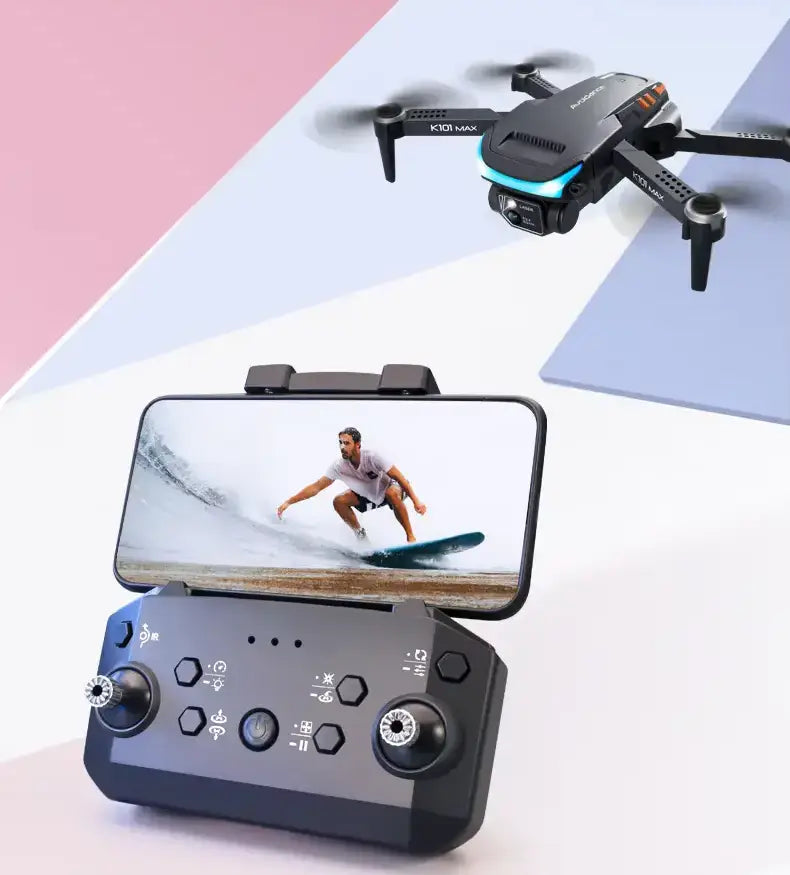
- Opzioni di controllo: Radiocomando, app e comandi vocali
- Distanza di controllo: Fino a 200 metri in aree aperte e con meno interferenze
- Distanza di trasmissione FPV: In genere 80–150 metri
- Nota sulla portata FPV ideale: Fino a circa 200 metri in condizioni aperte ideali
- Nota sulla compatibilità FPV: La compatibilità del telefono può influire sui risultati
- Frequenza: 2,4 GHz
Batteria e tempi
- Batteria: LiPo modulare da 3,7 V 1800 mAh
- Tempo di volo: Fino a 16–20 minuti
- Tempo di volo tipico: Circa 10–14 minuti in condizioni calme, senza vento e con registrazione a 1080p
- Tempo di ricarica: Circa 120 minuti tramite cavo USB
App e funzioni creative
- Funzioni di volo: Controllo tramite gesti, acquisizione con rilevamento del volto, volo su traiettoria e modalità Headless
- Funzioni extra dell’app: Sensore di gravità, filtri e musica
- Illuminazione LED: Luci LED per orientamento in condizioni più scure
Contesto legale
- Nota legale: Drone dotato di fotocamera; controlla sempre le regole locali e gli eventuali requisiti di registrazione
Funzioni disponibili
- Funzioni di volo con un solo comando: Usa controlli con un solo comando per decollo, atterraggio e arresto di emergenza.
- Acquisizione tramite gesto: Attiva foto e video con semplici gesti della mano.
- Acquisizione con rilevamento del volto: Usa l’attivazione con rilevamento del volto nell’app per scatti di gruppo informali più semplici.
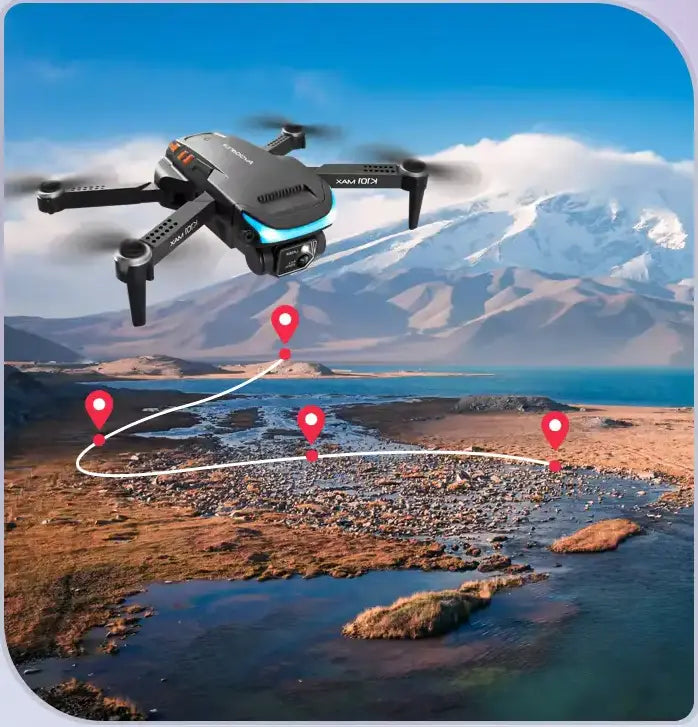
- Volo su traiettoria: Disegna un percorso sul telefono per usare il volo su traiettoria in modo assistito, in condizioni idonee.
- Modalità Headless: Semplifica l’orientamento durante i voli di pratica per principianti.
- Controllo vocale: Usa i comandi vocali supportati tramite l’app.
- Sensore di gravità: Controlla il drone inclinando il telefono per uno stile di volo alternativo.
- Extra di editing nell’app: Usa filtri e strumenti musicali per modifiche informali rapide e condivisione semplice.
Vola in sicurezza e nel rispetto delle regole
- Vola sempre mantenendo il drone a vista.
- Controlla le regole locali sui droni, le restrizioni dello spazio aereo e gli eventuali requisiti di registrazione prima del decollo.
- Il rilevamento degli ostacoli a tre direzioni è una funzione di assistenza, non una garanzia contro le collisioni.
- Il sistema di rilevamento funziona solo davanti, a sinistra e a destra.
- Vola con maggiore cautela in condizioni di poca luce e vicino a persone, cavi, rami, superfici riflettenti e zone edificate.
- Usa aree aperte e con meno interferenze per ottenere prestazioni più prevedibili di controllo, ritorno e anteprima in tempo reale.
Per chi crea contenuti in modo informale, il valore più chiaro del K101 Max è un’inquadratura regolabile per foto fino a 4K e video a 1080p più stabili, in un drone pieghevole abbastanza leggero da portare con sé.
Condividi
