193S GPS Drone with 3-Axis Gimbal – 4K Camera, 3KM Range, 25 Min Flight Time
193S GPS Drone with 3-Axis Gimbal – 4K Camera, 3KM Range, 25 Min Flight Time
💰 You Save: $317.48 (35%)
🚚 Free Worldwide Shipping – No Minimum!
Help to protect the world's most vulnerable animals, places and people
Couldn't load pickup availability
193S GPS Drone with 3-Axis Gimbal, 4K TF Card Recording, and Touch Screen Remote
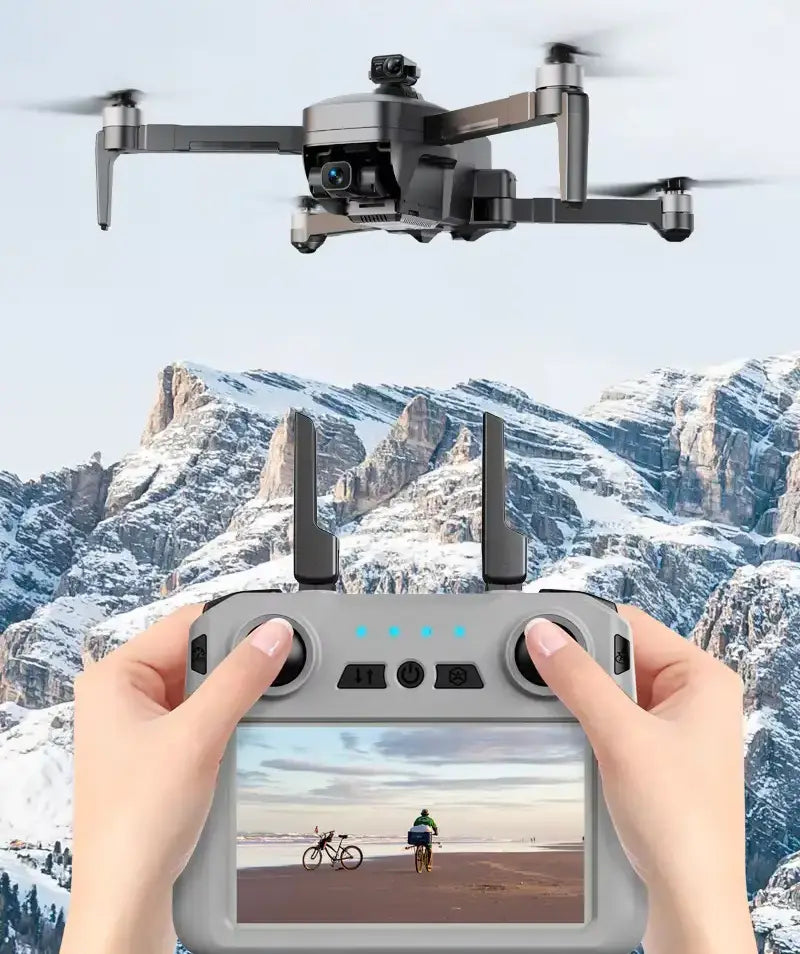
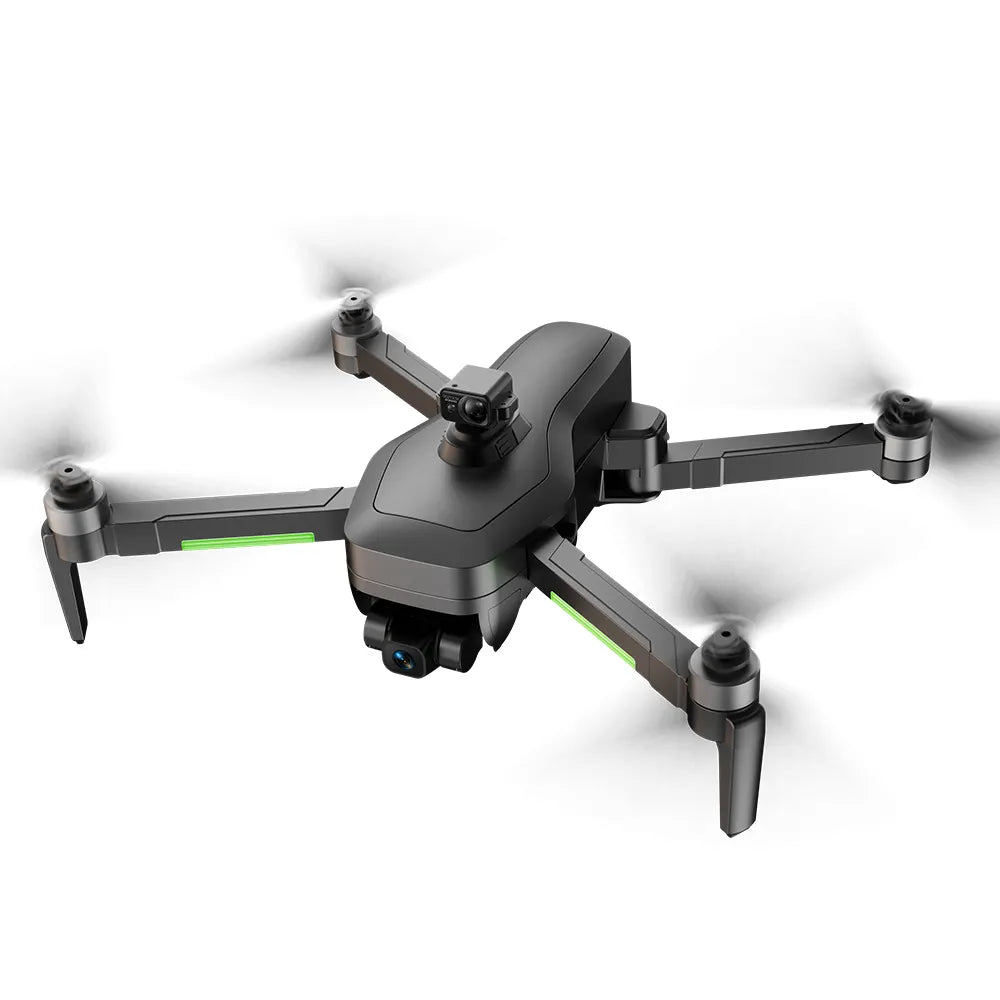
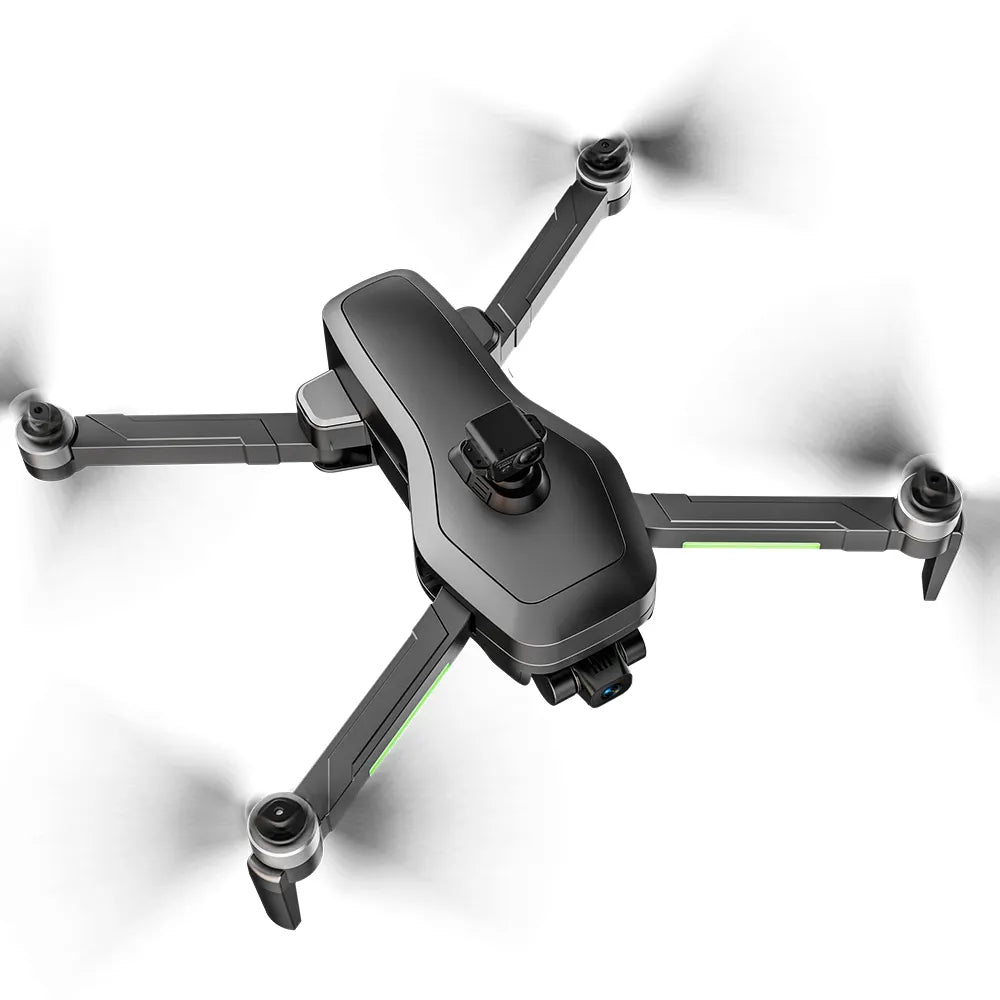
The 193S is a foldable GPS drone for steadier 4K recreational shooting without making every flight depend on your phone. Its touch screen remote, 3-axis mechanical gimbal, and TF card-based 4K recording create a more self-contained setup for travel clips, scenic flights, and everyday aerial practice.
No phone is needed for core flying, while app support remains available for advanced settings and added monitoring when needed. Photo Output: 4K, 3840 × 2160, stored on TF card. Recorded Video Resolution: 4K at 30 fps, stored on TF card.
Quick Highlights
- Touch screen remote with 4K TF card recording: The 193S gives you a more self-contained flying and shooting setup by combining phone-free core control, controller-screen image transmission, and stored 4K media.
- Steadier travel footage with less setup friction: The 3-axis gimbal, EIS support, Sony sensor, and built-in screen controller help scenic flights and everyday aerial clips feel easier to frame, monitor, and save.
- GPS return and multi-sensor hovering support: GPS return tools, optical flow positioning, pressure-sensor hovering assistance, One Key Takeoff, and One Key Landing help make open-area recreational flying more manageable.
- Obstacle sensing with clear return limits: Six-direction laser obstacle sensing adds nearby awareness, but it remains a flight aid, and GPS Return Home does not include real-time obstacle avoidance during return.
Key Features
- Touch screen remote for phone-free core flying: The built-in touch screen remote gives you a self-contained flying interface with digital image transmission shown directly on the controller screen. No phone is needed for core use, while app support remains available for advanced settings and additional flexibility when needed.
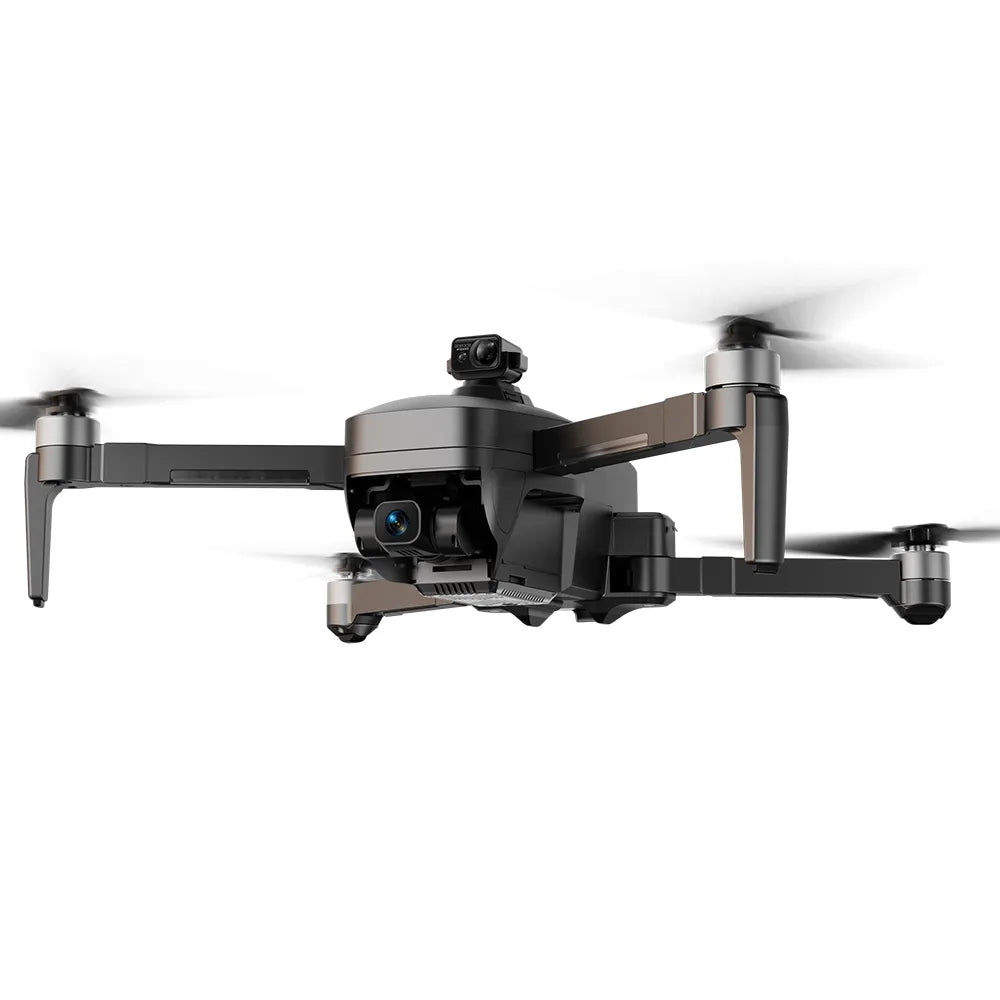
- 3-axis gimbal support with 4K TF card recording: The 193S combines a 3-axis mechanical gimbal, EIS support, a 1/2.8-inch Sony sensor, f/1.7 aperture, and AMBA A16 EIS chip support for steadier recreational shooting. Photo Output: 4K, 3840 × 2160, stored on TF card. Recorded Video Resolution: 4K at 30 fps, stored on TF card. This setup is best suited to travel clips, scenic flights, and everyday aerial shooting rather than high-end production work.
- GPS return support with optical flow and pressure-sensor hovering assistance: GPS intelligent return includes one-key return, low battery return, signal-loss return, and over-distance return. Optical flow positioning and the pressure sensor help support steadier hovering and altitude hold in suitable conditions. One Key Takeoff, One Key Landing, and headless mode help make everyday flying feel more manageable.
- 360-degree obstacle sensing with a clearly stated return boundary: Six-direction laser obstacle sensing adds extra awareness around nearby obstacles, with front, back, left, right, up, and down detection at a stated 15 to 20 meter range. It should be treated as a flight aid rather than fully automatic collision prevention, and GPS Return Home does not include real-time obstacle avoidance during return.
- Longer-range control, brushless power, and creative flight tools: Control distance and image transmission both reach up to 4000 meters in suitable open areas with visual line of sight and low interference. The 11806 brushless motor setup, maximum speed of 27 mph, and wind resistance up to Level 7 add capability in suitable outdoor conditions, while real stability still depends on wind pattern, open space, battery level, and pilot control. Follow Me, circumnavigation, image following, Spiral Up, One-Touch Soar, waypoint flight, and gesture-triggered capture add more creative options without replacing careful piloting.
FAQ
What kind of camera and storage experience does this model offer?
The 193S is built for steadier recreational shooting with a 3-axis gimbal, EIS support, and 4K media stored on TF card. Photo Output: 4K, 3840 × 2160, stored on TF card. Recorded Video Resolution: 4K at 30 fps, stored on TF card. Vertical shooting uses 2K media saved to TF card, while time-lapse video is recorded at 2K at 25 fps and stored on a mobile phone.
Do I need a phone to use this drone?
No phone is needed for core flying because the remote includes a built-in touch screen and receives digital image transmission directly on the controller. A compatible phone is still useful for app-based functions such as advanced settings and added monitoring support.
How do GPS, optical flow, and the pressure sensor help in everyday flying?
GPS supports return functions and outdoor positioning in suitable conditions, while optical flow and the pressure sensor help support steadier hovering and altitude hold when the environment is appropriate for those systems. Together, they help make routine flying feel more controlled and more manageable.
How does obstacle sensing help during real flights?
The obstacle-sensing system adds extra awareness around nearby obstacles with front, back, left, right, up, and down detection. It should be used as a flight aid, not as a guarantee against collisions, and GPS Return Home does not include real-time obstacle avoidance during return.
What range should I realistically expect?
Control distance and image transmission each reach up to 4000 meters in open areas with visual line of sight and low interference. Buildings, trees, wireless congestion, glare, and surrounding obstacles can reduce usable range and transmission stability in real flights.
How long does a typical flight last?
Flight time reaches about 33 minutes per battery in calm weather, with 1080p recording and temperatures around 20 to 25 °C. In real use, wind, speed, recording settings, and temperature can all shorten runtime.
Is this a good fit for indoor flying?
Not as a primary use case. Optical flow positioning and the pressure sensor can support steadier hovering, but the product’s own safety note points more clearly toward open-area flying than tight indoor use.
Honest Guide
What this model does best
The 193S makes the most sense when you want steadier stored 4K footage and a more self-contained flying setup than a basic starter drone can provide. Its biggest front-end advantages are the touch screen controller, 3-axis gimbal, TF card recording, and broader set of GPS-assisted flight tools.
Where it fits best
It fits best for buyers who want a built-in screen controller, smoother travel and scenic footage, open-area recreational flying, and a wider set of follow, orbit, waypoint, and gesture tools.
What to keep in mind
It is less suited to tight indoor spaces, buyers who expect guaranteed obstacle protection during return, or users looking for high-end professional filmmaking performance. This model makes more sense as a feature-rich recreational platform than as a small minimal-use flyer.
Obstacle and return reality
Obstacle sensing is one of this model’s stronger headline features, but it should still be understood as a flight aid. GPS Return Home does not include real-time obstacle avoidance during return, so the 193S should not be treated as a fully self-protecting return system.
Camera and range reality
The camera system is clearly stronger than a basic starter setup, especially with the 3-axis gimbal, EIS support, Sony sensor, and 4K TF card recording. The 4000-meter control and transmission figures are suitable-condition open-area figures, so real-world stability still depends on space, glare, interference, and pilot behavior.
When a more basic or more premium model makes more sense
A smaller basic model makes more sense for simple low-commitment flying. A more premium platform makes better sense for higher-end production work. The 193S is strongest in the middle ground: stored 4K recreational media, a built-in screen controller, and a stronger set of smart flight tools in a foldable GPS platform.
What’s in the Box
- 193S drone x1
- Rechargeable remote controller with screen x1
- Intelligent flight battery x1
- Spare propellers x4
- Charging cable x1, adapter not included
- Gimbal protector x1
- User manual x1
Technical Specifications
Product
- Model: 193S
- Type: Foldable GPS drone with touch screen remote and app support
Imaging
- Camera System: 4K EIS camera
- Photo Output: 4K, 3840 × 2160, stored on TF card
- Recorded Video Resolution: 4K at 30 fps, stored on TF card
- Vertical Shooting Photo: 2K, 2160 × 1216, stored on TF card
- Vertical Shooting Video: 2K at 25 fps, stored on TF card
- Time-Lapse Video: 2K at 25 fps, stored on mobile phone
- Gimbal: 3-axis mechanical gimbal
- Stabilization: Electronic image stabilization
- EIS Chip: AMBA A16
- Sensor: 1/2.8-inch Sony sensor
- Lens: 20MP lens
- Aperture: f/1.7
- Lens Movement: Vertical 110 degrees, lateral 65 degrees, transverse 45 degrees adjustable
- Frame Rate: 25 to 30 fps
- File Format: Photo JPEG, video MP4
- Extra Imaging Features: Self-beauty filter, vertical shooting mode, and digital zoom support
Flight and Positioning
- Obstacle Sensing: 360-degree laser obstacle sensing
- Detection Directions: Front, back, left, right, up, and down
- Obstacle Sensing Range: 15 to 20 meters, approximately 49 to 66 feet
- GPS Intelligent Return: One-key return, low battery return, signal loss return, and over-distance return
- Hovering Support: Optical flow positioning, pressure sensor, and altitude hold
- Orientation Aid: Headless mode
- Takeoff and Landing: One Key Takeoff and One Key Landing
- Safety Note: GPS Return Home does not include real-time obstacle avoidance during return
- Extra Visibility Support: High brightness fill light
Smart Flight Modes
- GPS Follow Me
- Spiral Up
- One-Touch Soar
- Circumnavigation
- Image Following
- Waypoint Flight
- Tap Flight
- Fixed Point Surround
- Gesture Recognition
Range, Speed, and Duration
- Flight Time: Up to 33 minutes per battery in calm weather, with 1080p recording and temperatures around 20 to 25 °C
- Control Distance: Up to 4000 meters, approximately 13,123 feet, in open areas with visual line of sight and low interference
- Image Transmission Distance: Up to 4000 meters, approximately 13,123 feet, in open areas with visual line of sight and low interference
- Maximum Flight Height: 120 meters, approximately 394 feet
- Maximum Flying Speed: 27 mph, about 43 km/h
- Wind Resistance: Up to Level 7, with real stability depending on wind pattern, open space, battery level, and pilot control
Build and Power
- Folded Size: About 18 × 9.5 × 7 cm
- Unfolded Size: About 36.5 × 36.5 × 7 cm
- Weight with Battery: About 550 grams, approximately 19.4 ounces
- Battery: 7.6V 3400mAh Li-ion
- Charging Time: About 11 hours with a 5V / 2A adapter
- Materials: Plastic and ABS
- Motor: 11806 brushless motor
Control and Connectivity
- Wi-Fi: 5 GHz
- Remote: Built-in touch screen, no phone needed for core use
- Remote Battery: 3.7V 5200mAh
- Remote Duration: About 12 hours
- Image Transmission: Digital image transmission to remote control screen
- App Support: iOS 12.0+ or Android 8.0+
- App Use: Advanced settings and real-time monitoring
Recording and Storage Note
- 4K Recording Requirement: Install a high-speed TF card in the drone
- Recommended TF Card Standard: U3, A2, and V30
- Recommended Speed: 30M/s
- Maximum Card Capacity: 256GB
Sharing and Editing
- Real-Time Editing: Filters, video effects, and background music
- Sharing: One-tap social sharing
- Creative Modes: Vertical shooting and time-lapse
Unlock All Features
Creative flight tools
GPS Follow Me, image following, circumnavigation, waypoint flight, Tap Flight, and fixed point surround add more options for route planning and subject-oriented flying. Spiral Up and One-Touch Soar add more dramatic movement options for creative recreational shots, while Gesture Recognition adds a hands-free capture option.
Content-friendly extras
Vertical shooting mode supports portrait-style content for social platforms. Time-lapse mode gives you a second creative output layer, with time-lapse video saved to a mobile phone. Quick editing with filters, effects, and music can make social sharing easier after flight.
Practical recording details
The high brightness fill light adds extra visibility support, and the gimbal protector is included in the box. For 4K recording, the drone needs a suitable high-speed TF card installed before flight.
The 193S gives recreational flyers a cleaner step-up path: phone-free core control, steadier gimbal-backed 4K TF card recording, and GPS-supported open-area flying in one foldable setup.
Fly Safe & Legal
Check your local drone rules before flying, as registration, no-fly zones, flight-height limits, and other operating restrictions vary by region. Use the drone in open, unobstructed spaces when possible. Obstacle sensing is a flight aid, not a substitute for careful piloting. Tight indoor spaces require extra caution, and GPS Return Home does not include real-time obstacle avoidance during return. Wind, glare, interference, and surrounding obstacles can all affect flight behavior, transmission stability, and obstacle-sensing consistency. Install a suitable high-speed TF card before relying on 4K recording features.
Share