Skip to product information
1 of 4

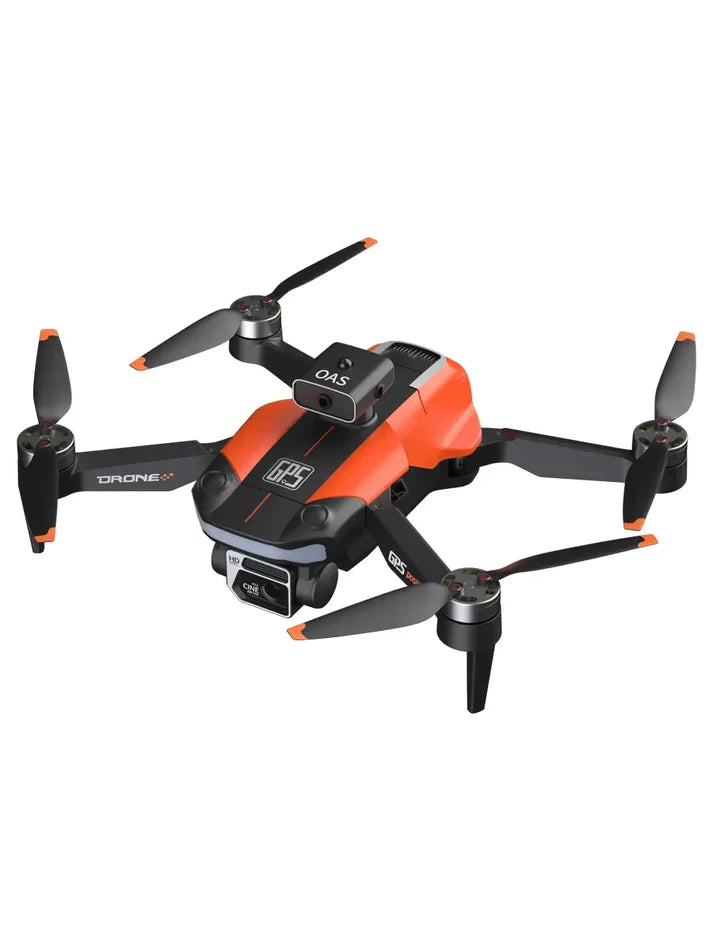
X26 8K GPS Drone with Obstacle Avoidance & Dual Camera | Foldable FPV Quadcopter

X26 8K GPS Drone with Obstacle Avoidance & Dual Camera | Foldable FPV Quadcopter

Regular price $258.89 USD
Regular price $388.98 USD Sale price $258.89 USD
Sale Sold out

💰 You Save: $130.09 (33%)

🚚 Free Worldwide Shipping – No Minimum!

Color
$1.00 from your order total goes to support

Help to protect the world's most vulnerable animals, places and people

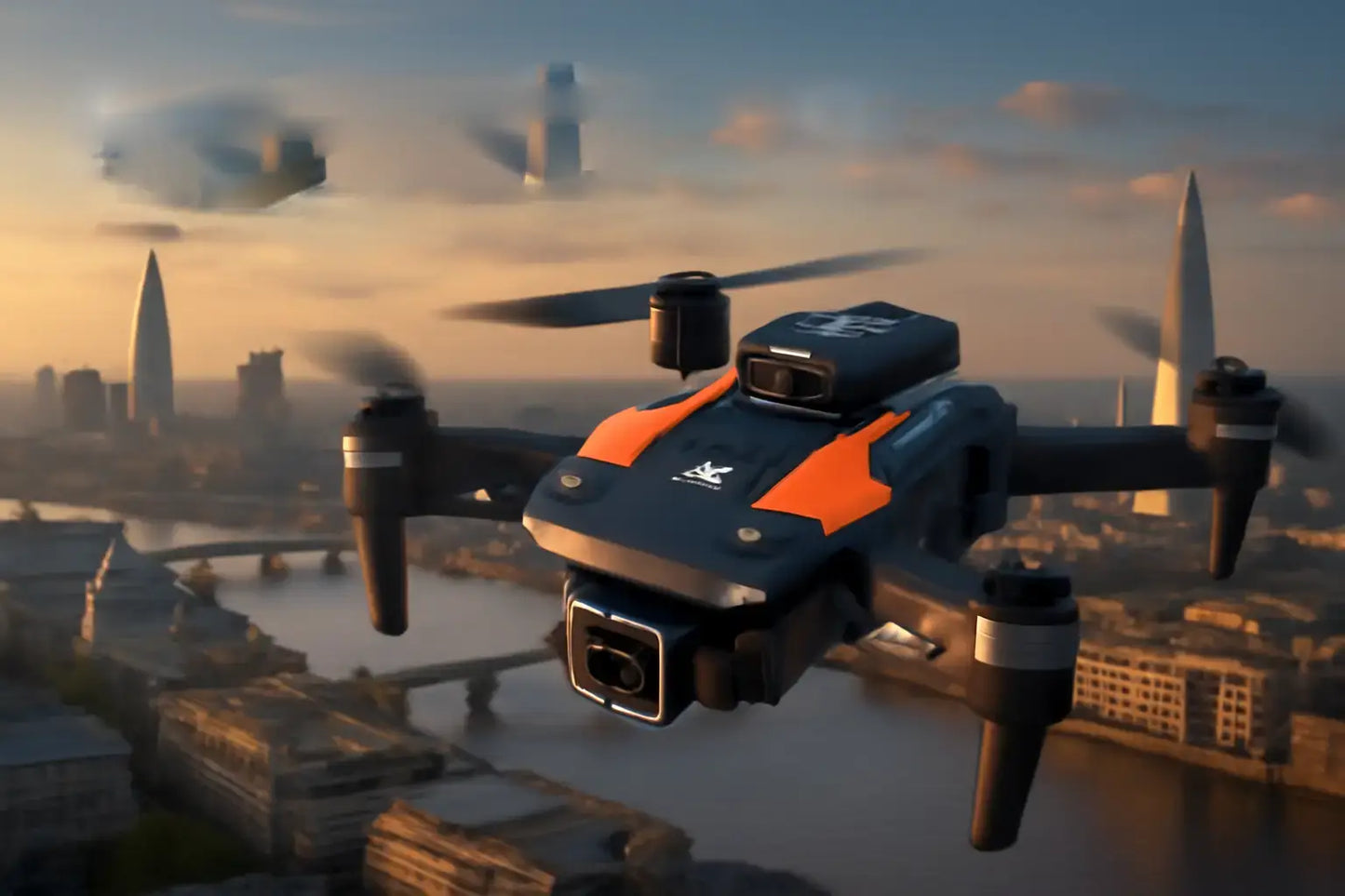
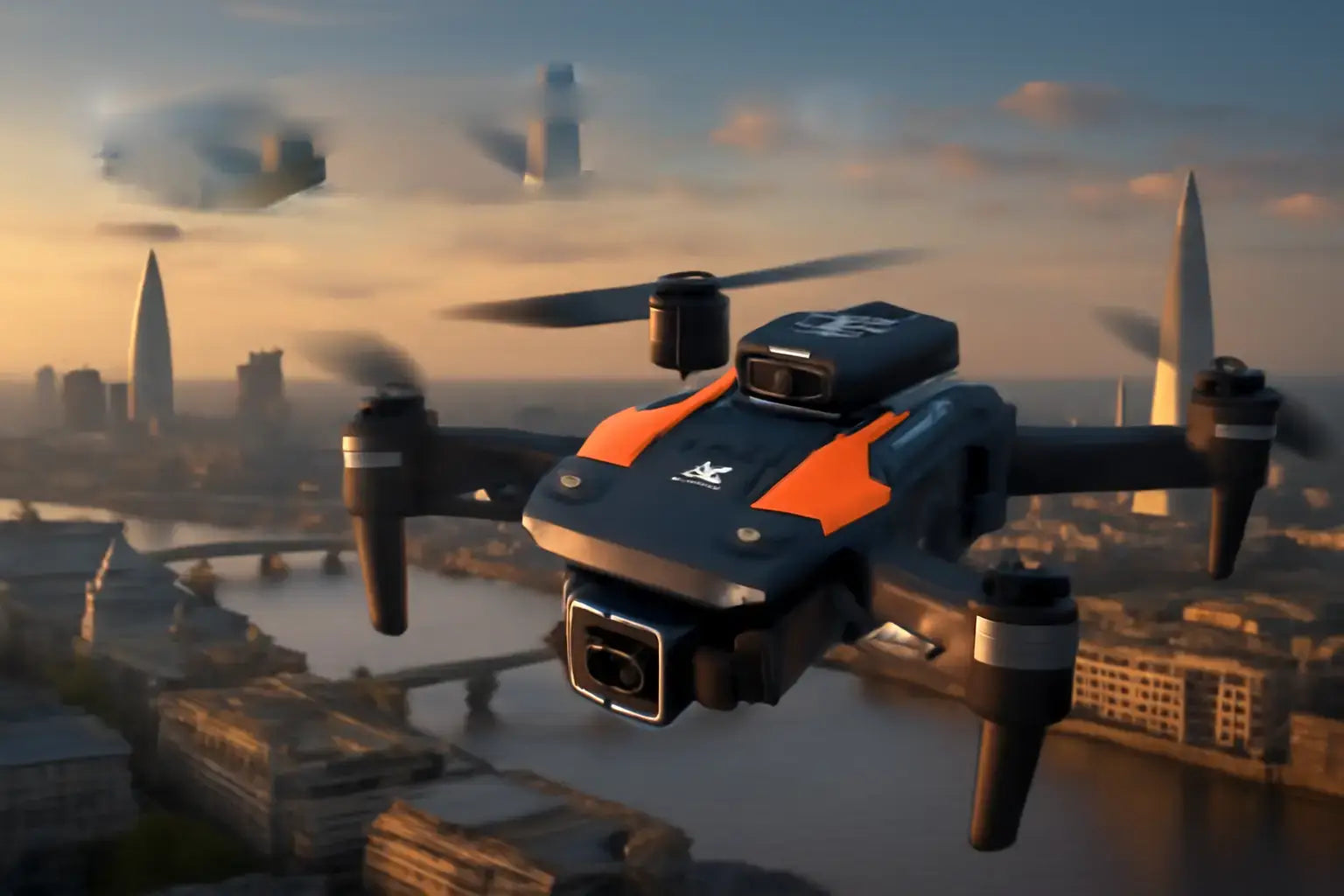
X26 GPS Drone with Dual Cameras, Smart RTH Modes, and Four-Direction Obstacle Support

Outdoor practice feels easier when the drone gives you more than basic manual control. The X26 combines GPS positioning, optical-flow hover support, altitude hold, multiple return modes, and app-based FPV in a foldable body for recreational pilots who want more assisted flying support.

Its strongest role is casual GPS-supported practice: easier take-off and hovering, more return-oriented confidence, flexible dual-camera framing, and app-linked route tools without presenting itself as a premium production drone or fully autonomous flight system.

Quick Highlights

  • GPS, optical-flow, and multi-mode return support: GPS positioning, altitude hold, optical-flow assistance, low-battery return, signal-loss return, out-of-control return, and over-range protection help make recreational flying easier to manage.
  • More supported practice flights: Assisted hovering, return-oriented controls, and app-based FPV give new hobby pilots more confidence for open-area travel clips and everyday aerial practice.
  • Dual-camera adjustable framing: Front 8K camera positioning, bottom 4K camera positioning, electrically adjustable angle control, and real-time FPV support flexible hobby shooting and flight reference.
  • Reality-calibrated obstacle support: Four-direction obstacle sensing is useful as assisted awareness, but infrared obstacle sensors are disabled in GPS mode and should not be treated as guaranteed protection.

Key Features

  • GPS, optical-flow, and multi-mode return support: GPS positioning, optical-flow assistance, altitude hold, and multiple return modes help make take-off, hovering, and return-oriented recreational flying easier to manage. Low-battery return, signal-loss return, out-of-control return, and over-range protection give it a stronger assisted-flight profile than a very basic entry-level drone.
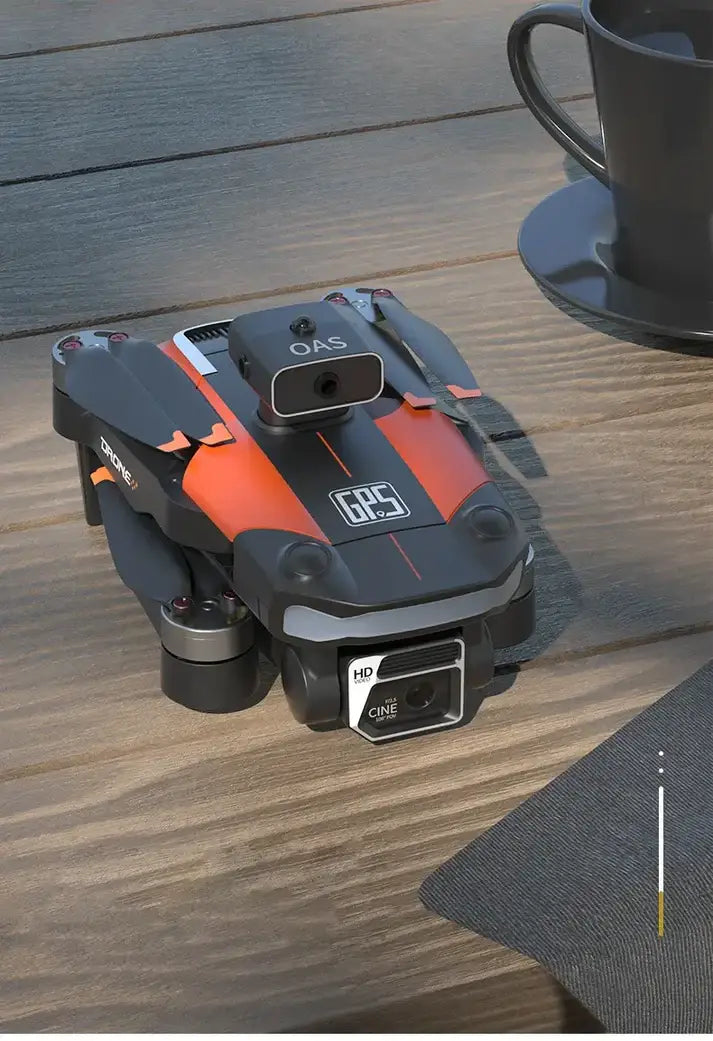
  • Dual-camera layout with adjustable framing: The X26 uses a front and bottom camera setup with electrically adjustable angle control and quick multi-angle use. This makes it a better fit for flexible hobby photography, travel clips, and everyday aerial content than for clearly verified premium video production.
  • Four-direction obstacle-assist support with a clear GPS-mode limit: Four-direction obstacle sensing gives the drone extra awareness support during recreational flying. It should be treated as obstacle-assist support rather than guaranteed automatic protection, especially because the infrared obstacle sensors are disabled in GPS mode.
  • Real-time FPV with app-linked shooting tools: The X26 supports real-time FPV to your phone through the app, along with waypoint flight, Surround mode, Smart Follow, gesture shooting, and one-button tricks. This makes it a better fit for casual content creation, hobby experimentation, and everyday social-media-friendly flying.
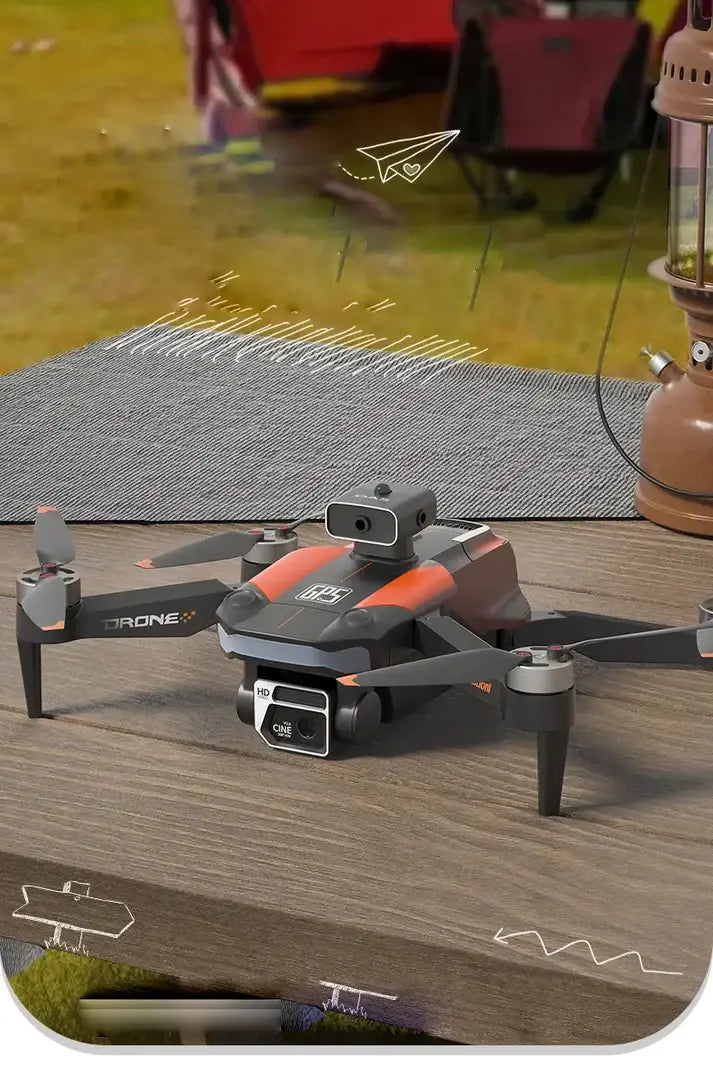
  • Foldable ABS body with modular battery design: The foldable ABS build, LED navigation lights, modular battery system, and included storage bag make the X26 easier to carry and set up for outdoor sessions. With up to 18 minutes of flight time from the included 7.4 V 2500 mAh battery, it fits short recreational outings and practice flights well.
FAQ

What kind of image quality should I expect from the X26?

The X26 combines front 8K camera positioning, bottom 4K camera positioning, electrically adjustable angles, and real-time HD FPV for flexible hobby flying and everyday aerial content. In practical use, it is better suited to travel clips, aerial practice, and casual sharing than to clearly verified premium 8K video production.

What is the difference between camera positioning and FPV live preview?

Camera positioning, final stored media, and real-time FPV live preview should be understood separately. The live FPV feed is mainly there for framing and flight reference, while final stored media should be judged separately from the live preview.

How do GPS and optical-flow help in real flights?

GPS, optical-flow support, altitude hold, and return modes help make hovering, take-off, and route handling easier in the right setting. Optical-flow support is especially useful for steadier indoor hovering, while GPS support is more relevant for outdoor use.

How does the obstacle-avoidance system work in practice?

The X26 includes four-direction obstacle sensing as an assisted flight feature. It adds extra awareness during recreational flying, but it should not be treated as guaranteed automatic protection. The infrared obstacle sensors are disabled in GPS mode, so that operating limit should be kept in mind.

How should I use Smart Follow, waypoint flight, and Surround mode?

Smart Follow, waypoint flight, automated trajectory, and Surround mode are recreational app-linked tools for open-area use. They can help with route-style flying and casual content, but they do not make the X26 a professional autonomous tracking drone.

What should I expect from control range and FPV performance?

Control range reaches up to about 500 meters, approximately 1,640 feet, in suitable conditions. Live image transmission is designed for real-time FPV framing and flight reference. Real-world FPV quality and stability will vary with surroundings, interference, and local line-of-sight requirements.

What kind of battery life does it offer?

With the included 7.4 V 2500 mAh modular battery, the X26 offers up to 18 minutes of flight time. Real duration will vary with wind, usage, and flight style.

Is it suitable for beginners?

Yes, especially for beginners who want GPS support, optical-flow hover assistance, return modes, obstacle-assist support, and app-based creative features beyond a very basic starter drone. It is still best used in open areas where you have enough room to use those features properly.

Honest Guide

What this drone does best

The X26 is a foldable consumer GPS drone for recreational flying, casual travel content, and everyday aerial practice. Its strongest front-end advantages are the combination of GPS support, optical-flow hover assistance, multi-mode return support, dual cameras, obstacle awareness, and app-based flight tools.

What to expect from the camera

The X26 combines front 8K camera positioning, bottom 4K camera positioning, and real-time HD transmission for flexible recreational shooting. It makes more sense as a feature-rich hobby camera drone than as a clearly verified premium 8K video production platform.

Photo, video, and live preview are not the same layer

The dual-camera system is useful for flexible framing and everyday aerial content, while the real-time FPV feed is mainly there for flight reference and live framing. Final stored media and live preview should not be understood as the same thing.

Obstacle avoidance needs realistic framing

The X26 includes four-direction obstacle sensing, but the infrared obstacle sensors are disabled in GPS mode. That means this feature should be treated as assisted obstacle awareness with a clear operating boundary, not as always-on automatic protection.

Smart flight modes need open-space judgment

Smart Follow, waypoint planning, automated trajectory, and Surround flight are useful recreational tools for open areas. They support route-style practice and casual subject movement, but they do not replace pilot judgment or create professional autonomous tracking.

Range and FPV should stay clearly split

Control range reaches up to about 500 meters, while Wi-Fi live preview works best as a practical framing and flight-reference tool. Stability and clarity will vary with surroundings, interference, and real-world flying conditions.

Where it fits best

The X26 fits open-area practice flights, casual travel clips, and feature-rich recreational flying where return modes, optical-flow hover support, and flexible app tools matter more than premium imaging specifications or high-end autonomous hardware.

The X26 lands best as a foldable GPS practice drone: more return support, more flexible framing, and more assisted recreational control than a very basic starter model.

What’s in the Box
  • X26 drone: 1
  • Remote controller: 1
  • Modular flight battery: 1
  • USB charging cable: 1
  • Spare propellers: 8
  • User manual: 1
  • Wi-Fi instruction manual: 1
  • Screwdriver: 1
  • Storage bag: 1
Technical Specifications
  • Model: X26
  • Body Type: Foldable drone
  • Build: ABS, lightweight design
  • Camera Layout: Dual cameras, front and bottom
  • Front Camera Positioning: 8K
  • Bottom Camera Positioning: 4K
  • Camera Control: Electrically adjustable dual-camera angles
  • Stabilization: Intelligent anti-shake system
  • Positioning Support: GPS, altitude hold, and optical flow
  • Hover Support: Indoor hover supported through optical-flow
  • Return Support: Low-battery return, signal-loss return, out-of-control return, and over-range protection
  • Obstacle Sensing: Four-direction obstacle avoidance
  • Important Operating Note: Infrared obstacle sensors are disabled in GPS mode
  • AI Modes: Waypoint planning, automated trajectory, target recognition, Smart Follow, and Surround flight
  • FPV: Real-time HD FPV through the app
  • Live Image Transmission: Real-time FPV optimized for recreational framing
  • Control Range: Up to 500 meters, approximately 1,640 feet
  • Aircraft Battery: 7.4 V 2500 mAh modular lithium
  • Flight Time: Up to 18 minutes
  • Drone Charging Time: About 80–100 minutes
  • Remote Battery: 3.7 V 150 mAh
  • Remote Charge Time: About 20–30 minutes
  • Remote Use Time: About 72 hours
  • Motor Type: Brushed
  • LED Navigation Lights: Included
Unlock All Features

Camera and Creative Tools

  • Front and bottom dual-camera layout: Supports more framing options for casual aerial content and flight reference.
  • Electrically adjustable dual-camera control: Helps change angles without manually repositioning the drone.
  • Intelligent anti-shake: Adds stabilization support for everyday hobby shooting.
  • Gesture shooting: Adds simple hands-free capture for casual use.
  • Real-time FPV through the app: Supports phone-based framing and flight reference.

Smart Flight and Return Tools

  • GPS positioning: Supports outdoor route handling and return-oriented use.
  • Altitude hold: Helps make hovering and short-range control easier.
  • Optical-flow hover support: Supports steadier indoor hovering in suitable conditions.
  • Low-battery return: Adds return support when battery level becomes low.
  • Signal-loss return: Adds return support when signal conditions are interrupted.
  • Out-of-control return and over-range protection: Add extra return-oriented safeguards for recreational flying.
  • Waypoint flight and automated trajectory: Support route-style app flying in open areas.
  • Smart Follow and Surround flight: Add casual subject and circular flight options without replacing pilot judgment.

Safety, Power, and Control

  • Four-direction obstacle sensing: Adds obstacle-awareness support during non-GPS-mode assisted use.
  • Infrared obstacle sensors disabled in GPS mode: Important operating boundary to check before flight.
  • Brushed motors: Standard recreational motor setup for this model.
  • Modular battery design: Makes battery handling easier for short practice sessions.
  • Foldable lightweight ABS body: Helps with storage, travel, and outdoor setup.
  • LED navigation lights: Support orientation awareness during suitable lighting conditions.
Fly Safe & Legal

Fly in open areas and maintain visual line of sight at all times.

Use optical-flow support for steadier indoor hovering and GPS support for outdoor route handling.

The obstacle-sensing system should be treated as assisted support, and its GPS-mode limitation should be kept in mind.

Smart Follow, waypoint flight, automated trajectory, and Surround mode should be used in clear open areas with enough space.

Control range, FPV stability, and return behavior can vary with surroundings, interference, flight conditions, and local rules.

Always check local privacy, drone-use, and no-fly-zone requirements before take-off.

View full details